The History of Buffets: An Endless Table Offering Culinary Freedom
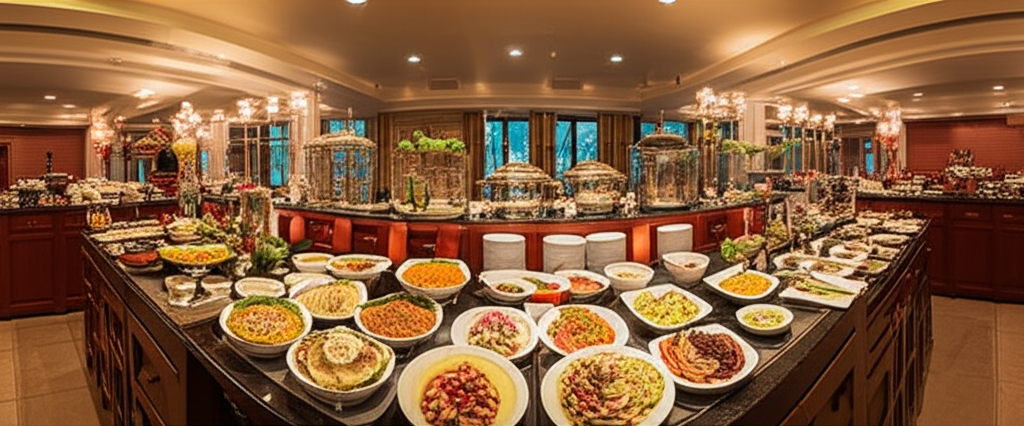
Food is more than just a means of nutrition; it is a vessel for culture and history. Among various dining styles, the 'buffet' offers us a unique form of dining culture that provides unlimited freedom and joy in gastronomy. With a wide array of dishes spread before us, we delight in the happy dilemma of choosing what to eat, and we can fill our plates with as much as we desire. From freshly baked bread to fresh seafood, hot main courses, and sweet desserts, buffets have become an excellent choice for invigorating the meals of busy modern people while satisfying diverse palates. Today, from hotel breakfasts to wedding receptions and casual family restaurants, buffets have deeply embedded themselves in our lives, creating delicious memories. In this article, we will explore the fascinating journey of where the buffets we love originated and how they have evolved.
The Etymology of Buffets: A Culinary Feast Starting from the Sideboard
The word 'buffet' that we commonly use actually originates from the French word 'buffet.' This word originally referred to a piece of furniture, a 'sideboard' or 'cabinet,' placed in dining rooms or reception areas. In medieval Europe, this cabinet was used in the homes of the nobility or wealthy to display food or store tableware when hosting guests. Especially during banquets, food and drinks were attractively arranged on this cabinet, allowing guests to serve themselves. This can be considered the early form of buffet-style dining. This method, which started with a piece of furniture, involved preparing food in advance and gathering it in one place for guests to freely choose from, offering a comfortable and efficient dining experience unlike formal dinners. Thus, the meaning of 'buffet' expanded from the name of the furniture to refer to the dining style where food is served and eaten from that furniture.
Swedish Smörgåsbord: The True Ancestor of Buffets
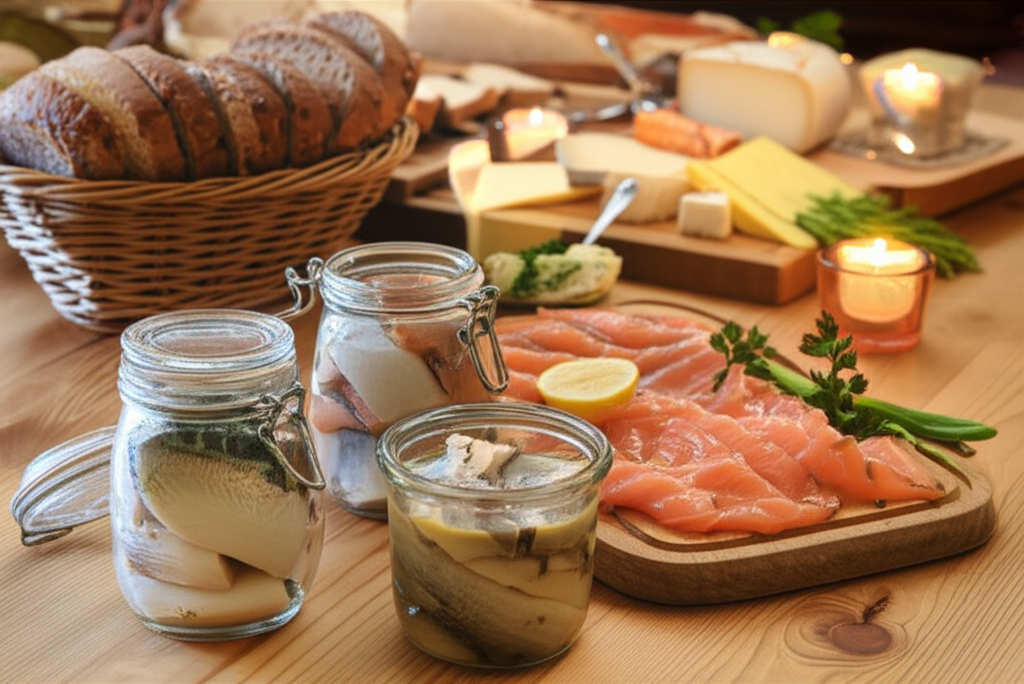
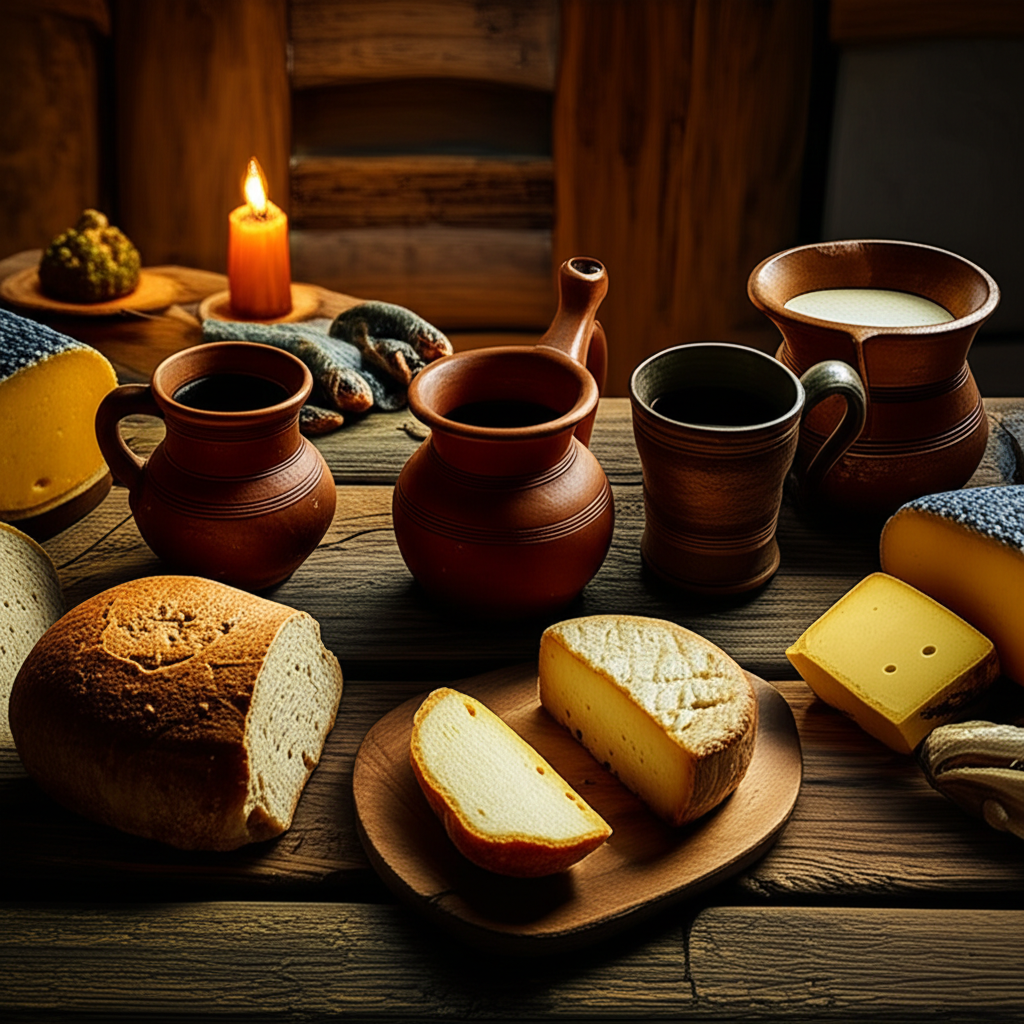
The direct ancestor of today's buffets is the 'Smörgåsbord' that began in 16th century Sweden. 'Smörgåsbord' means 'sandwich table' in Swedish, and it evolved from the 'Brännvinsbord,' or 'schnapps table.' At that time, Swedes had a custom of enjoying small appetizers with schnapps (a strong distilled liquor) while chatting before the main meal at banquets. On the table were simple yet abundant foods like cheese, bread, butter, pickled herring, smoked salmon, and meatballs. Over time, this appetizer table grew in size and variety, eventually taking on the role of the main meal. In the 19th century, as train travel became common, railway station restaurants offered Smörgåsbord-style meals so passengers could eat quickly, helping to spread the concept worldwide. Even today, in Sweden and other Nordic countries, people continue the tradition by enjoying Smörgåsbords filled with various foods on holidays or special occasions.
The First Modern Buffet: Las Vegas's 'Buckaroo Buffet'
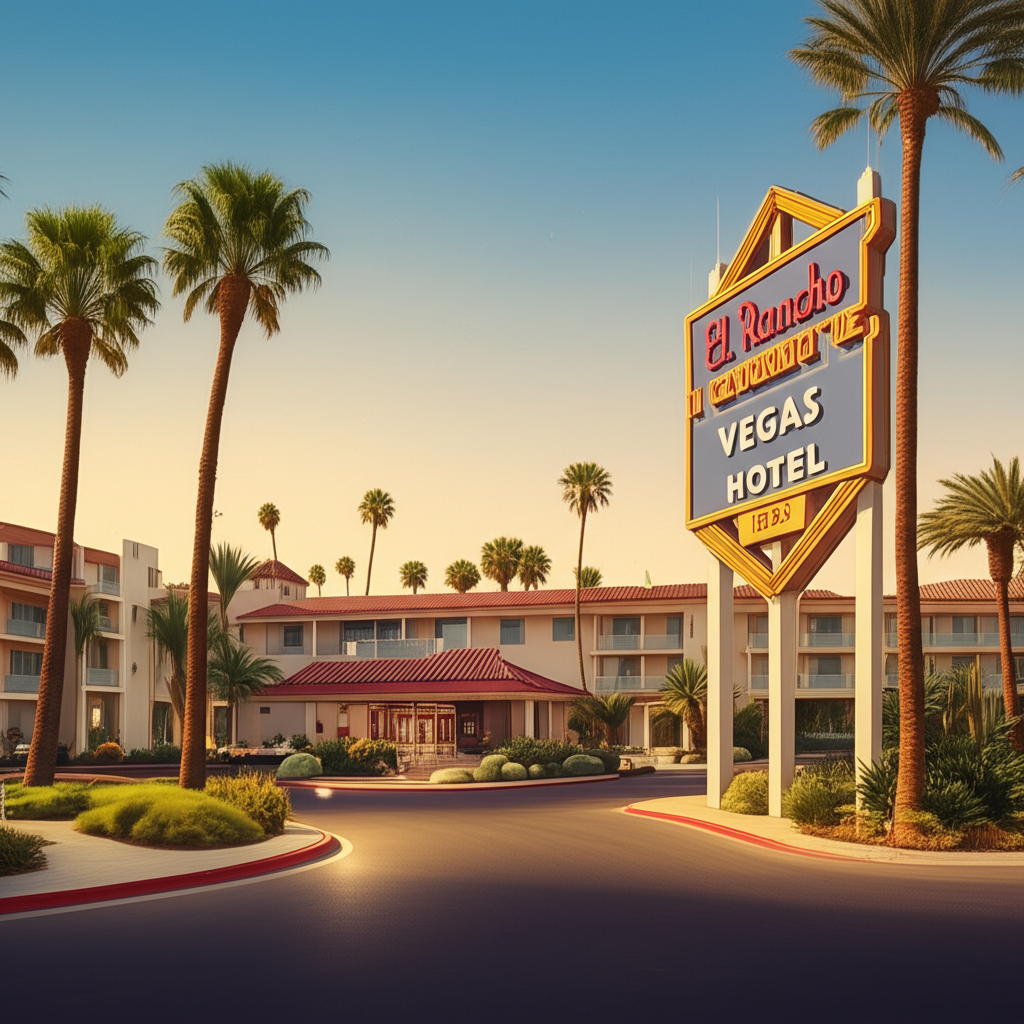
The modern all-you-can-eat buffet style we experience today began in mid-20th century Las Vegas, USA. In 1939, Herb McDonald, the manager of the El Rancho Vegas hotel, sought a quick and affordable way to feed guests who gambled all night. As a result, he introduced the "Buckaroo Buffet," a buffet where guests could eat unlimited food for just one dollar. This buffet was part of a strategy to fill guests' stomachs cheaply and encourage them to return to the casino. Although the menu was relatively simple, featuring freshly baked bread, cold cuts, and salads, the concept of eating as much as you wanted for a dollar was very popular among gambling guests. Following the success of El Rancho Vegas, other casino hotels in Las Vegas began to introduce buffets, making them a hallmark of Las Vegas and a symbol of modern buffet culture. Thus, modern buffets developed around the key concepts of 'convenience' and 'value for money.'
The Global Spread of Buffet Culture: The Birth and Growth of Hotel Buffets
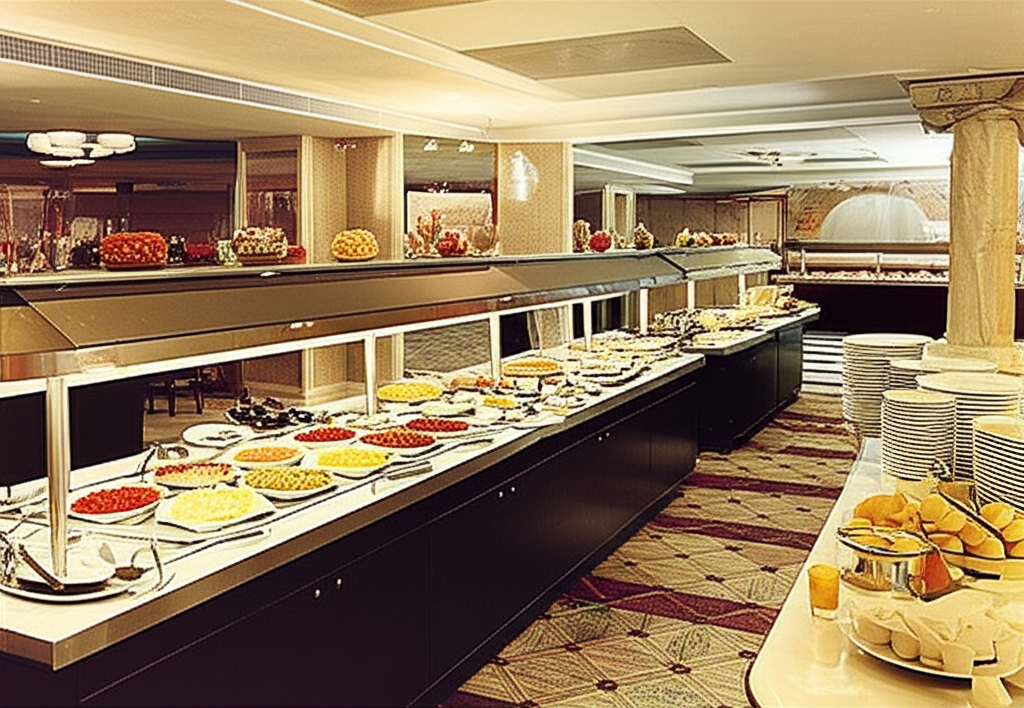
The modern buffet that started in Las Vegas quickly spread across the United States, achieving tremendous success. Particularly after the 1950s, as car culture developed and the middle class grew, dining out with the family became common, and buffets emerged as an ideal choice to satisfy all family members with diverse tastes. Subsequently, buffet culture crossed borders, spreading to Asia, Europe, and around the world. The 'hotel buffet' played a crucial role in the spread of buffet culture. For hotels accommodating guests of various nationalities, buffets were an efficient way to enhance customer satisfaction. Starting with breakfast and extending to lunch and dinner, hotel buffets evolved into a culinary venue where guests could enjoy dishes from around the world. Beyond just filling the stomach, the experience of enjoying diverse foods in a luxurious setting elevated the status of buffets. Now, hotel buffets are recognized as independent spaces offering culinary experiences, loved by many beyond just being an amenity of lodging facilities.
The Evolution of Buffets: From Premium to Themed
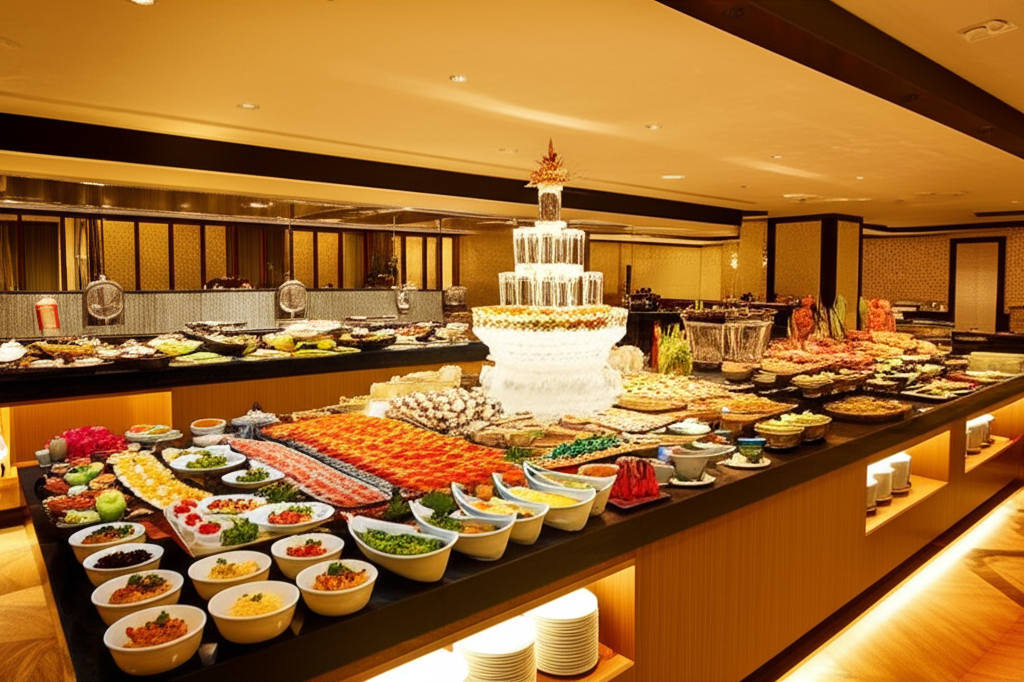
Today, buffets continue to evolve beyond their origins, appearing in various forms around us. While past buffets focused on 'quantity,' modern buffets place greater importance on 'quality' and 'experience.' A prime example is the 'all-inclusive resort' buffet found in vacation spots or on cruise trips, offering perfect convenience by including accommodation, meals, and activities. Additionally, 'themed buffets' centered around specific themes are gaining popularity. Examples include 'seafood buffets' filled with fresh seafood, 'world cuisine buffets' showcasing dishes from specific countries, or 'seasonal buffets' using seasonal ingredients. Premium hotel buffets, in particular, provide upgraded services by featuring live stations where chefs cook in front of guests, using high-quality ingredients to maximize the culinary experience, and having professional sommeliers recommend wines. Buffets have now established themselves as a culinary venue that reflects diverse cultures and culinary trends, constantly changing and evolving beyond just being a meal to fill the stomach. We look forward to seeing what new forms buffets will surprise us with in the future.