
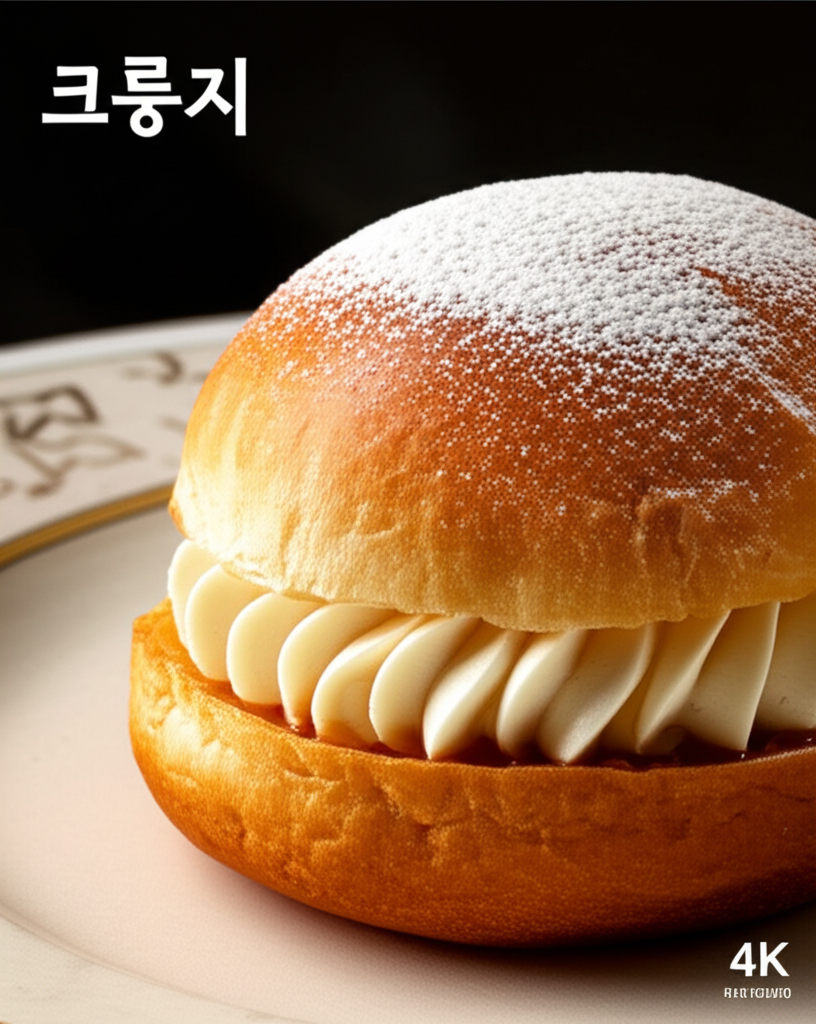
Tradition
Krungji is a traditional Korean snack that carries cultural heritage. Made from basic ingredients like rice, it has been a shared delight among families and communities for generations, appearing at feasts and special occasions. This tradition strengthens bonds across generations and solidifies community ties.
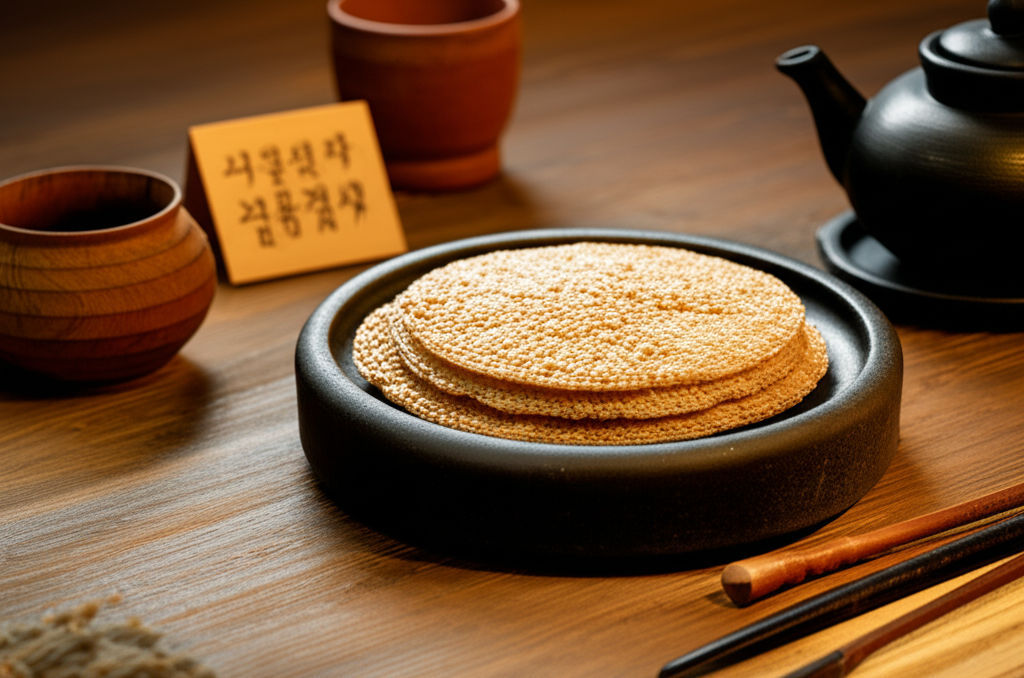
History
While the exact origins of Krungji are unclear, it is believed to date back hundreds of years to the Joseon era. Originally made by mixing rice and water, it was a simple yet heartfelt snack. Over time, various adaptations led to the Krungji we enjoy today.
Production Method
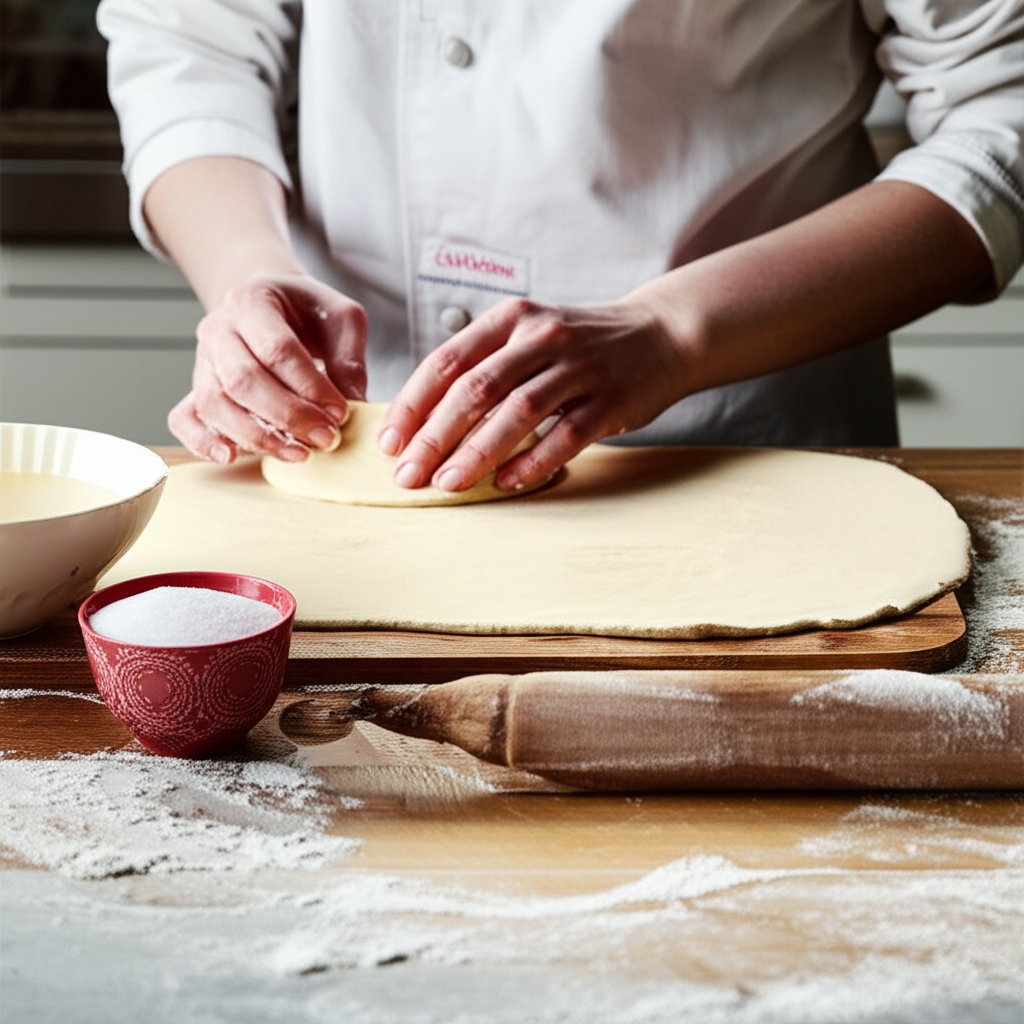
The traditional method of making Krungji is simple yet requires dedication. The main ingredients are rice and water, mixed in appropriate ratios and allowed to ferment. The matured dough is spread thin on a board, dried, and cut into pieces, with natural cracks enhancing its charm.
The Story and How to Enjoy
There are many ways to enjoy Krungji. It is commonly paired with a cup of tea or served alongside a warm soup. Particularly in winter, the simple taste of Krungji combined with the deep flavor of tea offers a unique experience.
Taste
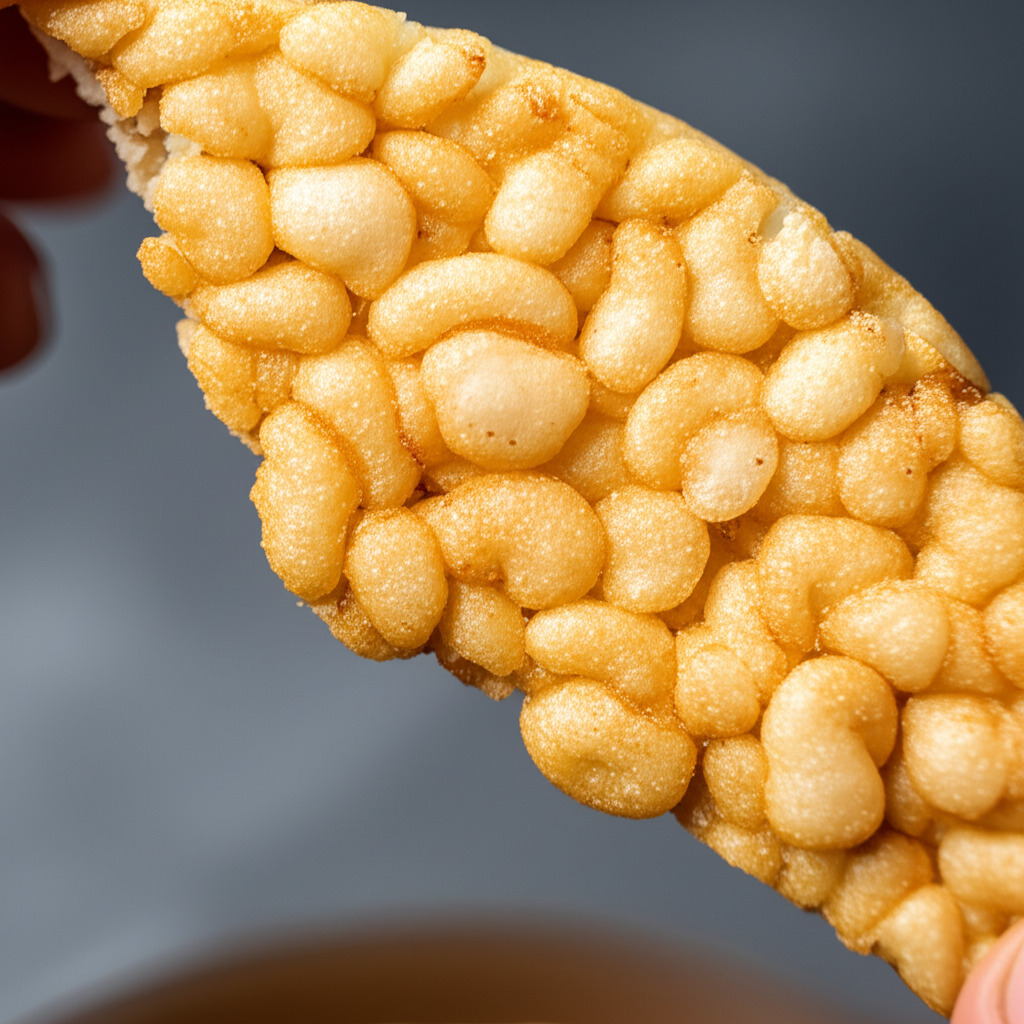
Krungji is known for its crispy and nutty texture. Upon entering the mouth, the soft aroma of rice fills the senses, and the more you chew, the more its nuttiness unfolds. The taste is derived from natural ingredients, offering simplicity yet deep satisfaction.
Recommended Places
At 'Krungji Village' in Seoul, you can find a variety of Krungji types, traditionally made with a modern twist. In Busan, 'House of Krungji' offers various flavors using local specialties.
Online Purchase Recommendations
Search Krungji on Naver Shopping``` This narrative aims to evoke a sense of nostalgia and appreciation for Krungji, highlighting its cultural and historical significance.
- Brand A Krungji: Proudly offers a deep taste made in the traditional way.
- Brand B Krungji: Provides Krungji in various flavors and colors.